
友情链接
- 科技日报社概况
- 科技日报概况
- 报社领导
- 关于华体会网页版登录入口-华体会(中国)
- 联系我们
- 公示公告
- 广告刊例
- 科技日报社公开招聘公告
- 互联网新闻信息服务许可证
- 信息网络传播视听节目许可证
- 举报平台
- 版权声明
- Copyright © Science and Technology Daily, All Rights Reserved
- 科技日报社 华体会网页版登录入口-华体会(中国) 版权所有


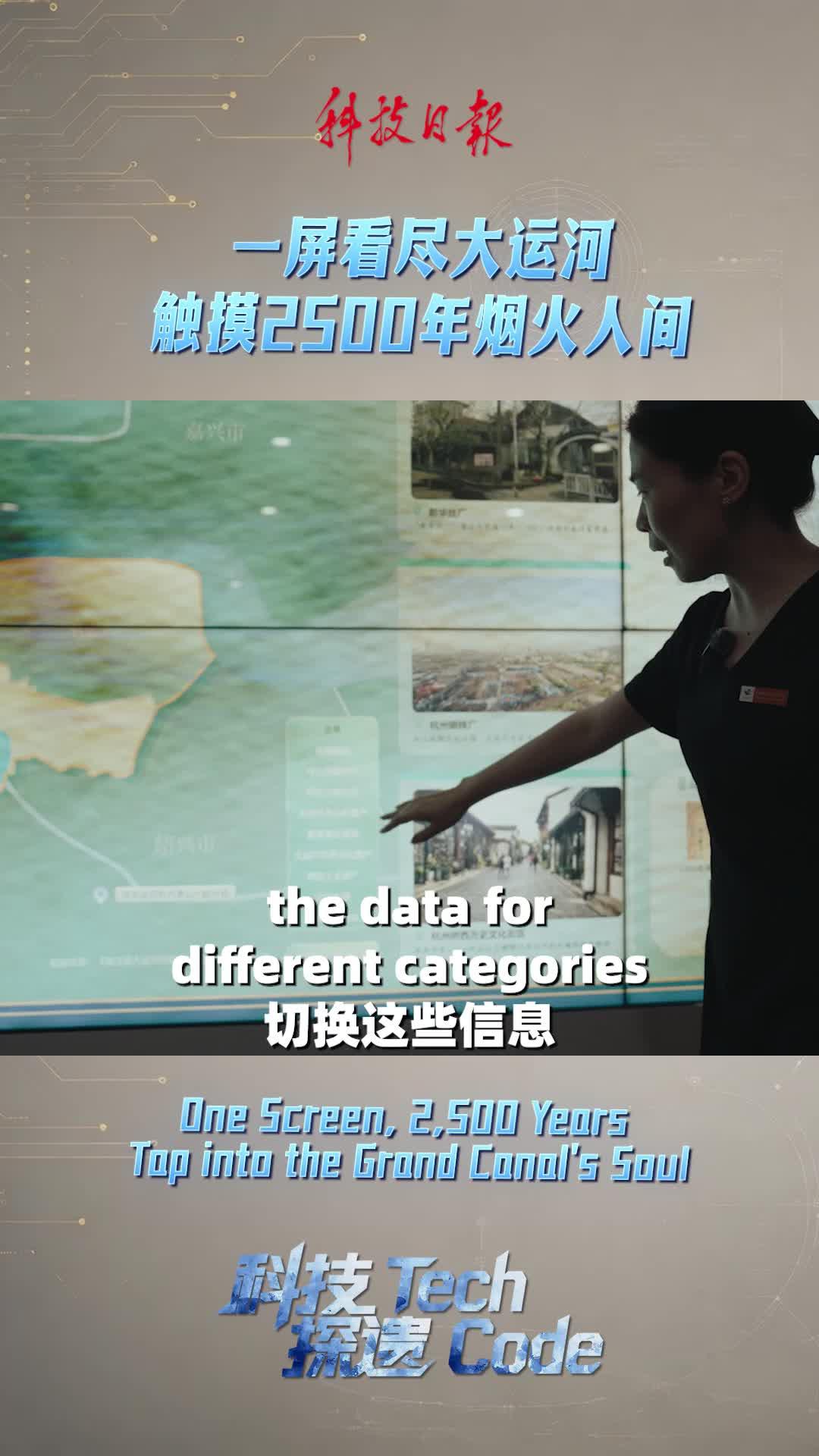
The Beijing-Hangzhou Grand Canal Museum in Hangzhou is using new technologies to show more culture and information to visitors, bringing more immersive experiences.
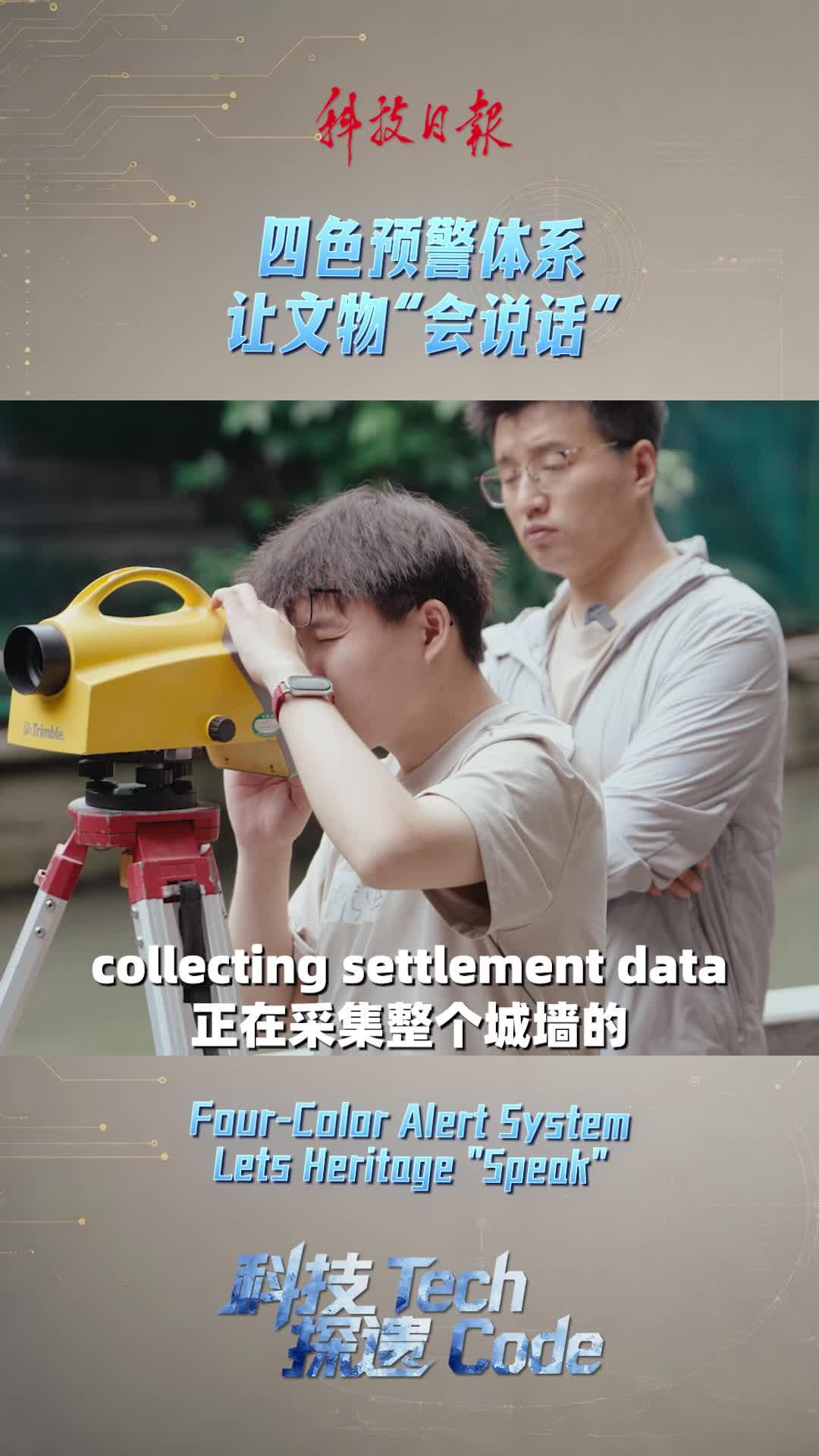
The Fengshan Water Gate is an important part of the Grand Canal in Hangzhou. Managers now build a four-color alert system to monitor the condition and ensure the safety of the gate.
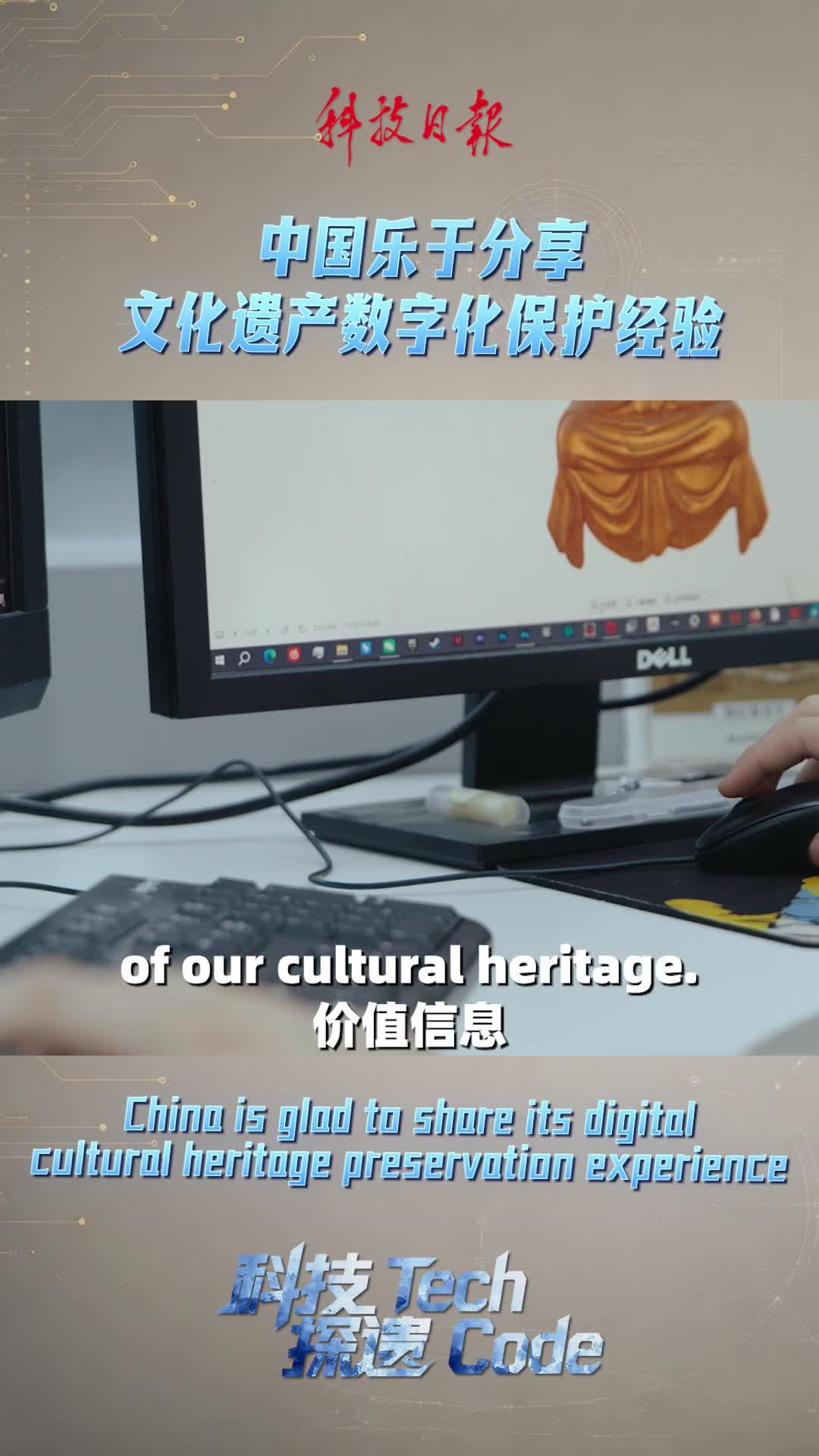
In a recent interview, Diao Changyu, vice dean of the Cultural Heritage Institute of Zhejiang University shared with Chinese and foreign youth how China's digital technology empowers its protection of cultural relics.
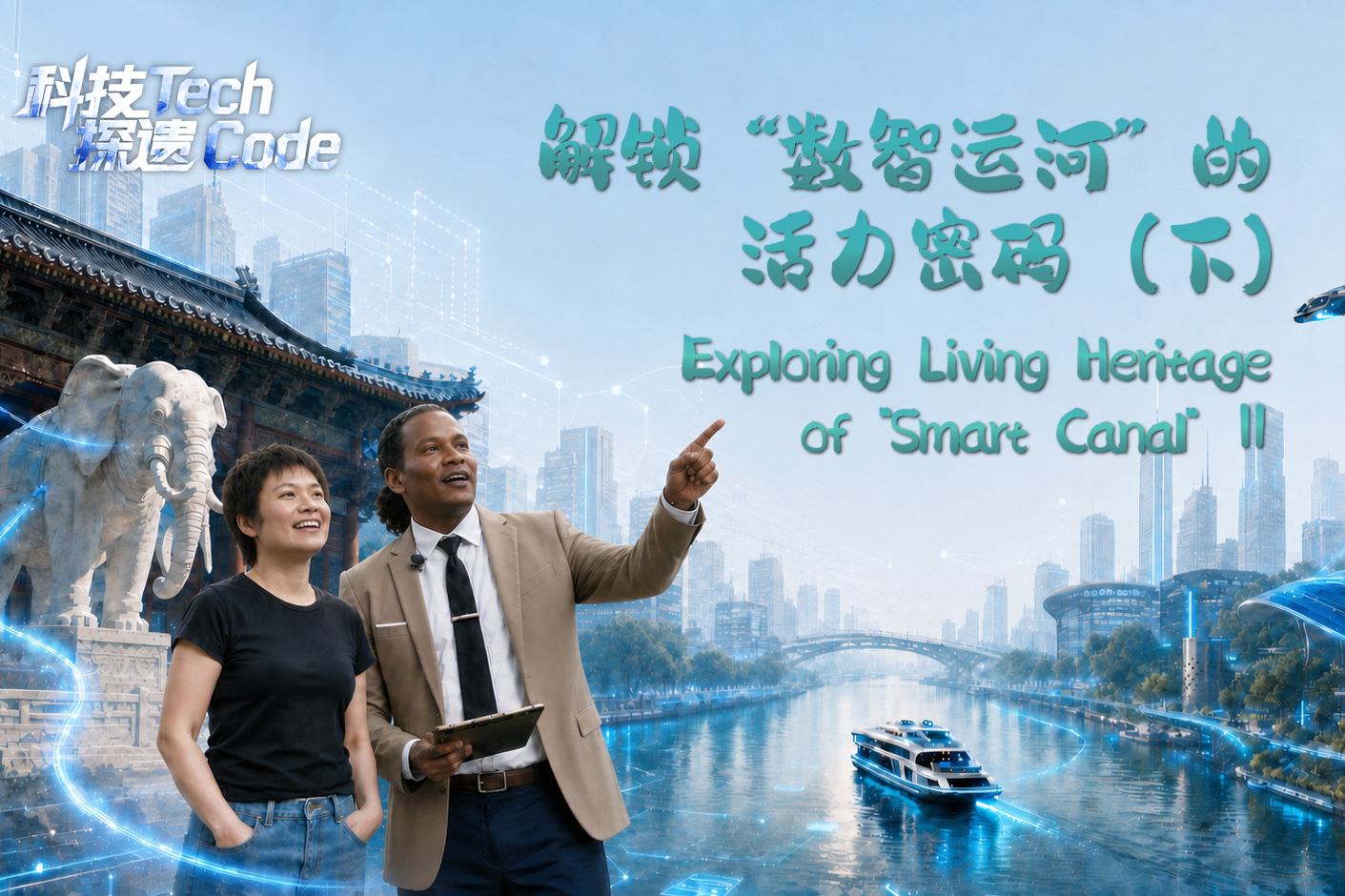
The Beijing-Hangzhou Grand Canal is no relic of the past—it lives and breathes with the people. Join Chinese and foreign youth to see how this ancient waterway weaves into modern urban life, and feel the warmth and vitality of a living heritage that continues to flow with the city!
How is cutting-edge tech breathing new life into China's Beijing-Hangzhou Grand Canal inscribed on the UNESCO's world heritage list? Join Chinese and foreign youth to uncover the secrets of digital twins and smart systems protecting this ancient waterway, and see how technology keeps millennia‑old wisdom flowing into the future!
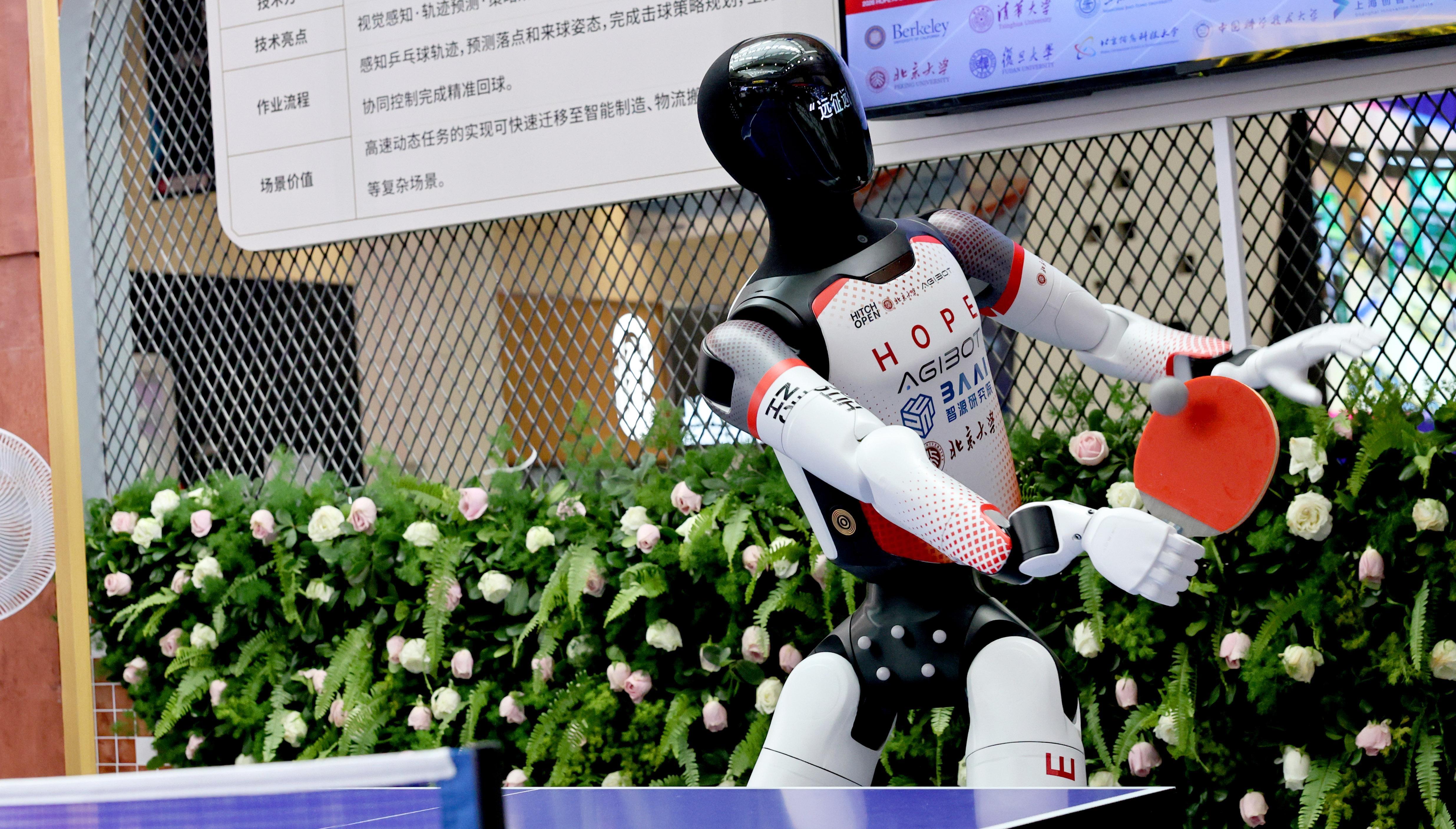
On July 16, the Signing Ceremony of the Agreement on the Establishment of the World Artificial Intelligence Cooperation Organization (WAICO) was held in Shanghai. Representatives from 29 countries, including Kazakhstan, Laos, Pakistan, Russia and Indonesia, signed the agreement as founding members.
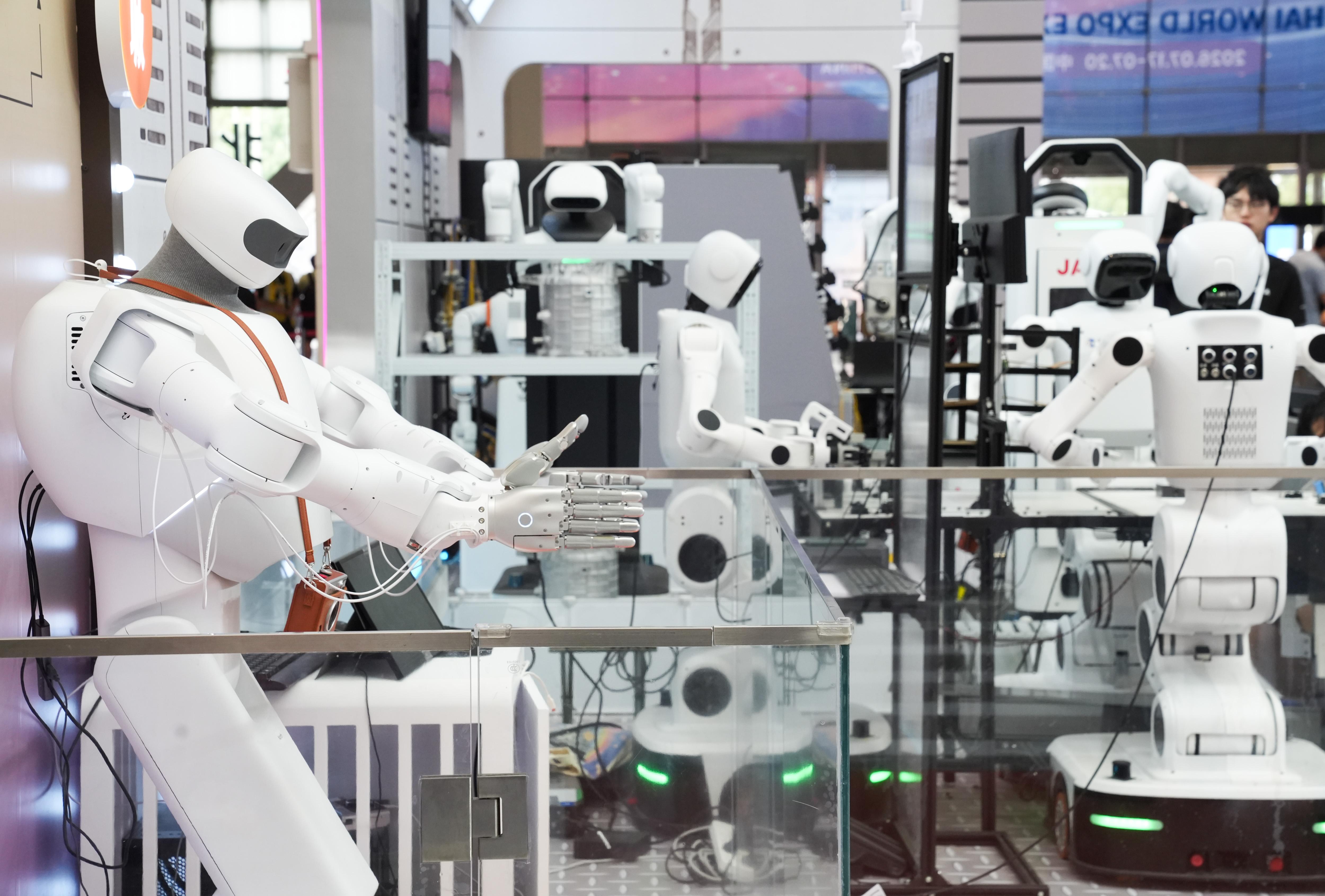
To promote international exchange and cooperation, the 2026 World Artificial Intelligence (AI) Conference and High-Level Meeting on Global AI Governance is being held in Shanghai from July 17 to 20, themed “AI Partnership for a Brighter Future.”
The Grand Canal has been flowing for 2,500 years. It still carries boats and water, and it still runs through cities. But keeping it in working order requires more than traditional maintenance today. It requires laser scanning to assess the state of every stone, sensors to detect the slightest movement, and data to make sense of it all. Abubaker Hayaty, a doctoral student at Zhejiang University, has spent years studying how cultures communicate. His friend Ke Ning works at the Hangzhou Arts and Crafts Museum Cluster and knows the canal's history intimately. Both have spent years around this waterway. But the technology now being used to protect it is new to both of them.
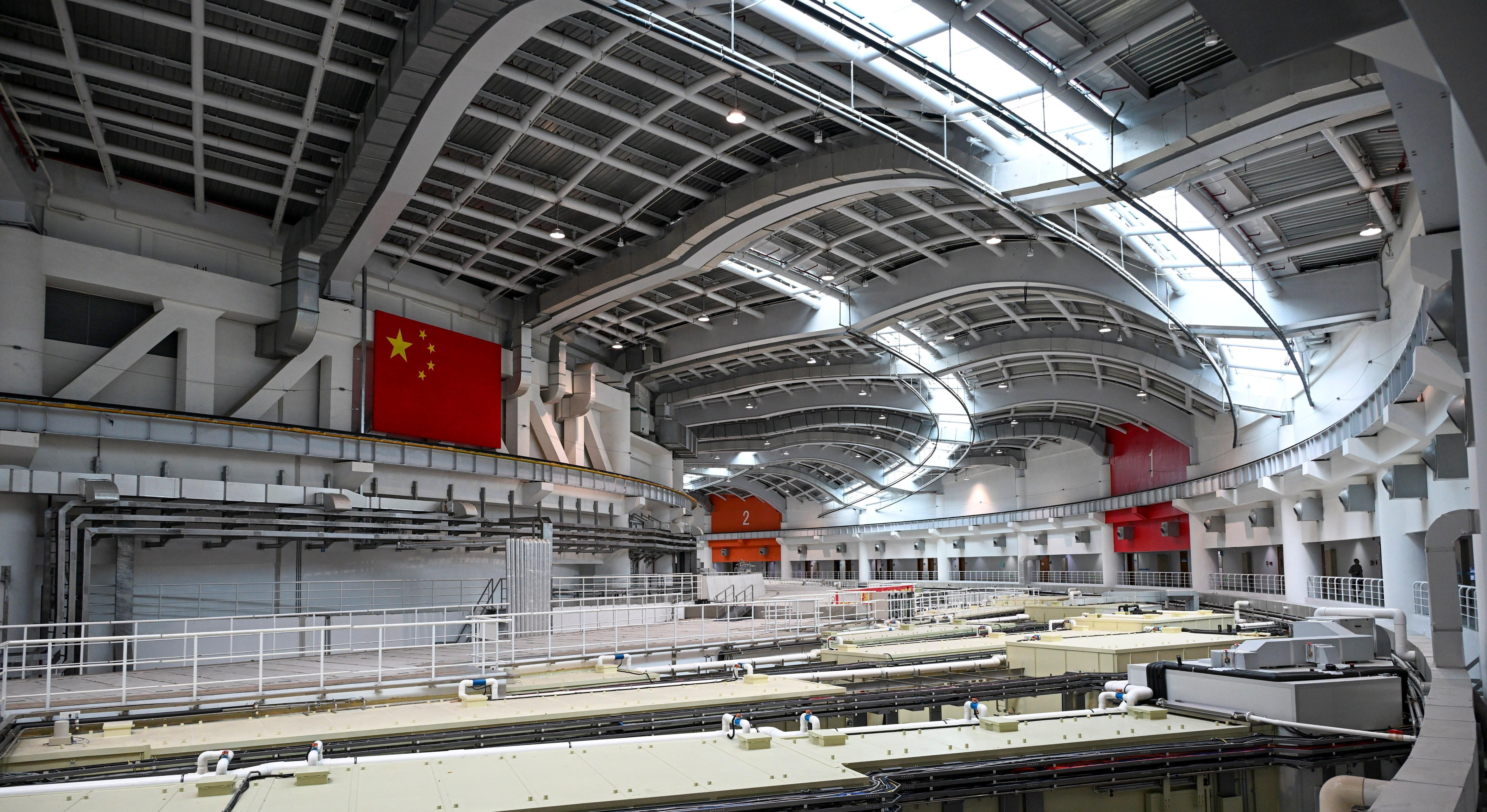
At a recent policy briefing in Beijing on promoting and improving people's well-being through high-quality development, Yin Hejun, minister of science and technology, elaborated on the key tasks for building China's strength in science and technology during the 15th Five-Year Plan period (2026-2030) while giving a systematic overview of the achievements in sci-tech innovation and the new situations and challenges.
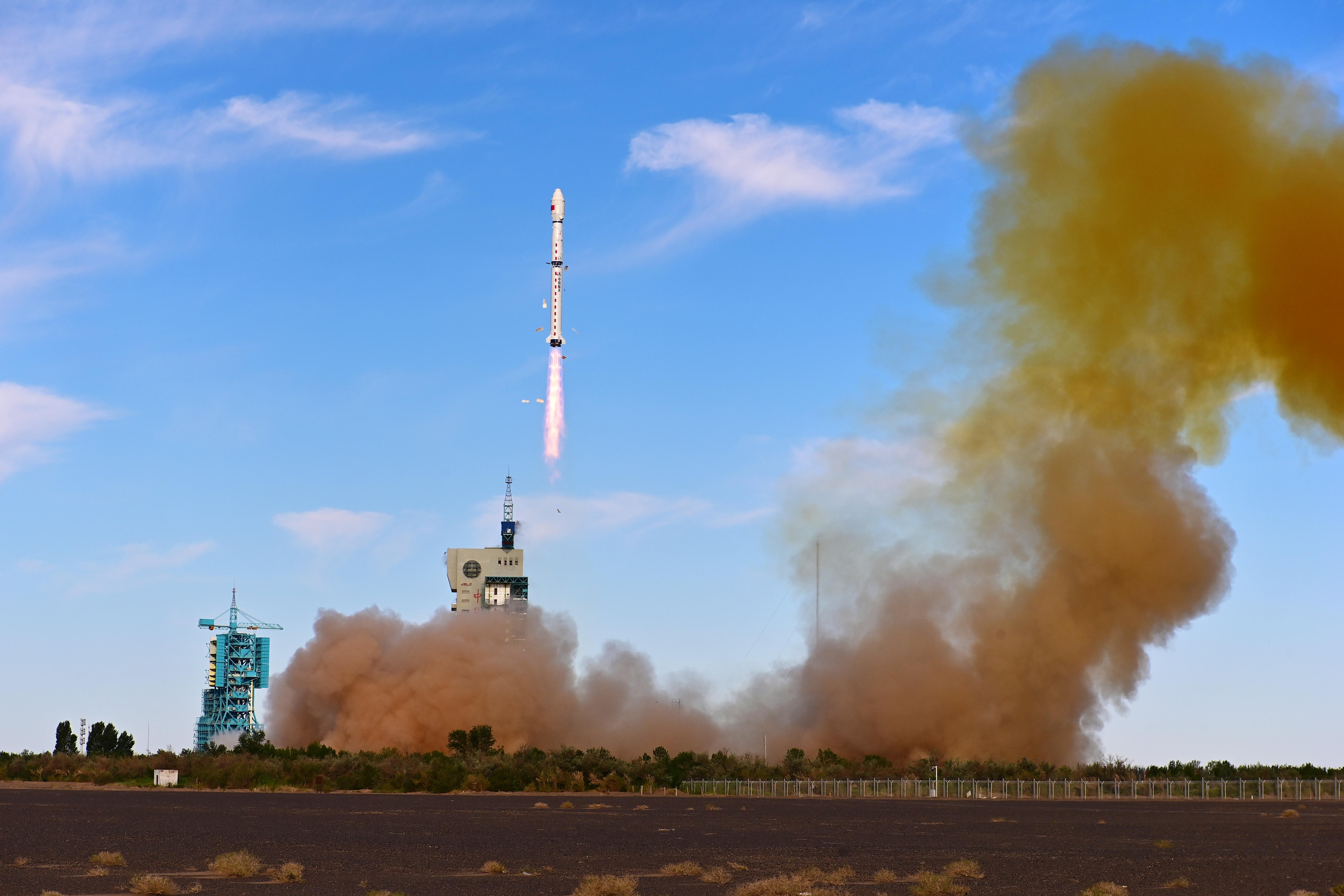
Since the national sci-tech conference in June 2024 underscored the importance of sci-tech modernization and innovation in pursuing Chinese modernization and high-quality development, China has entered the fast lane in building a strong country in science and technology. Its sci-tech strength has achieved overall improvement, and its innovation momentum has shifted from scaling up to a leap in quality and efficiency. The overall efficiency of the national innovation system continues to rise.
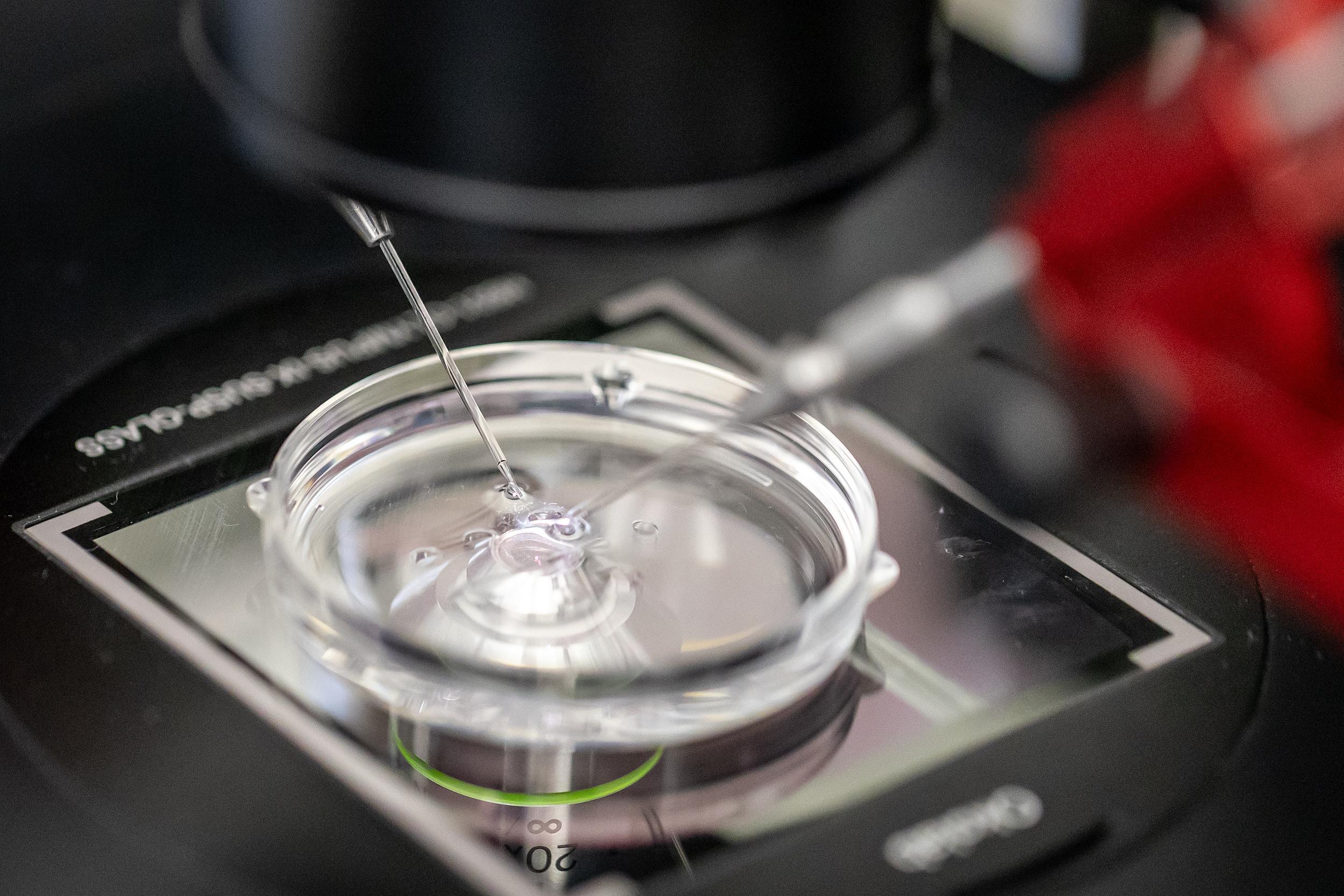
Organoids are mini lab-grown organs that help test drugs without human trials. But their cultivation has long been a gamble — poor consistency and lack of standards have blocked their clinical use.
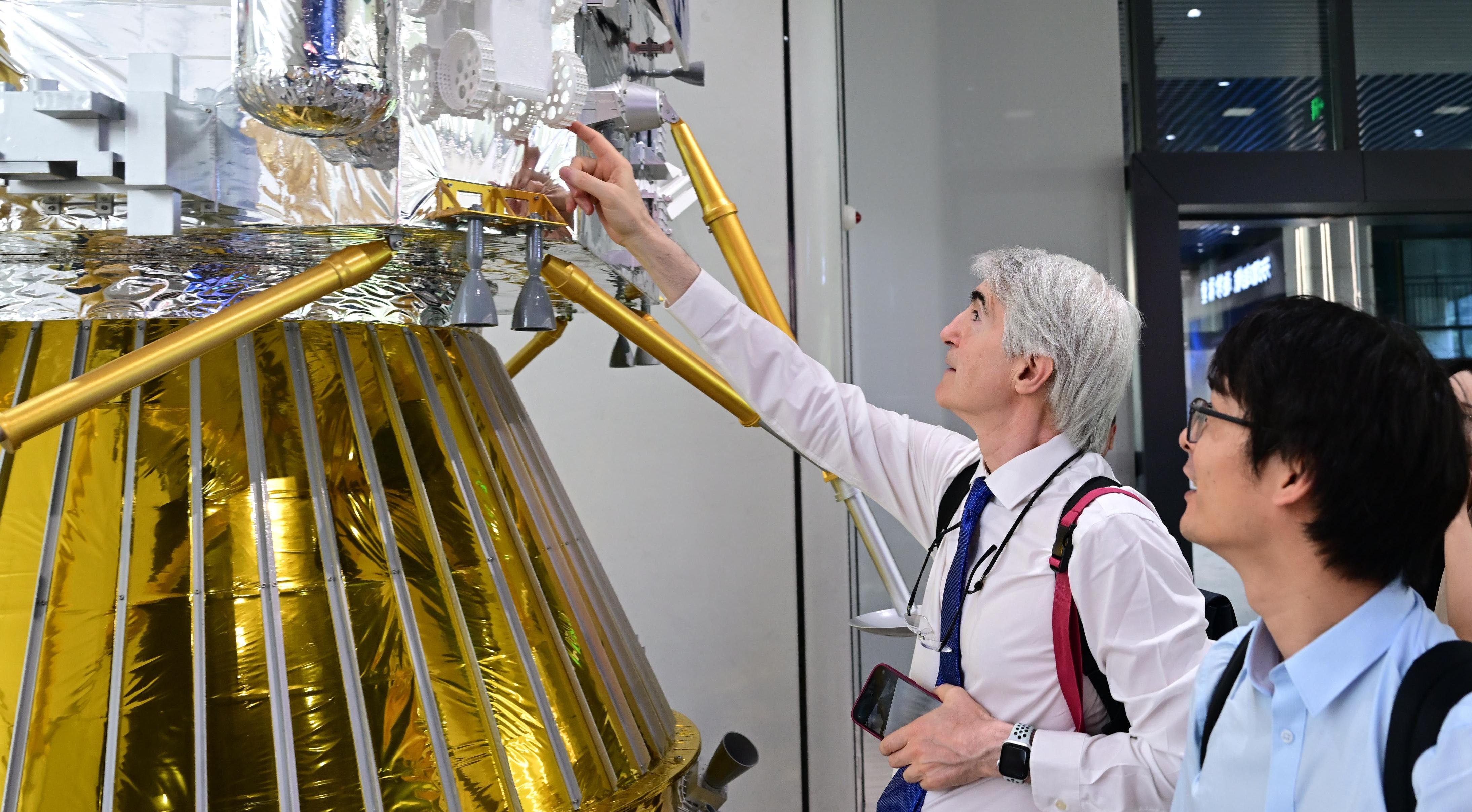
China's first Cluster for Headquarters of International Science and Technology Organizations recently launched the construction of a functional expansion zone at the Donghu International Center in Chaoyang district, Beijing. In the three years since its establishment in 2023, the cluster has attracted 16 international sci-tech organizations. Beijing is now home to 55 international sci-tech organizations, the most in China.
The Fourth China International Supply Chain Expo (CISCE), held in Beijing from June 22 to 26, was themed "Connecting the World for a Shared Future."

By developing new quality productive forces, the ongoing tech innovation ensures the sustainability of China's granary along with a more stable and higher-quality food supply.
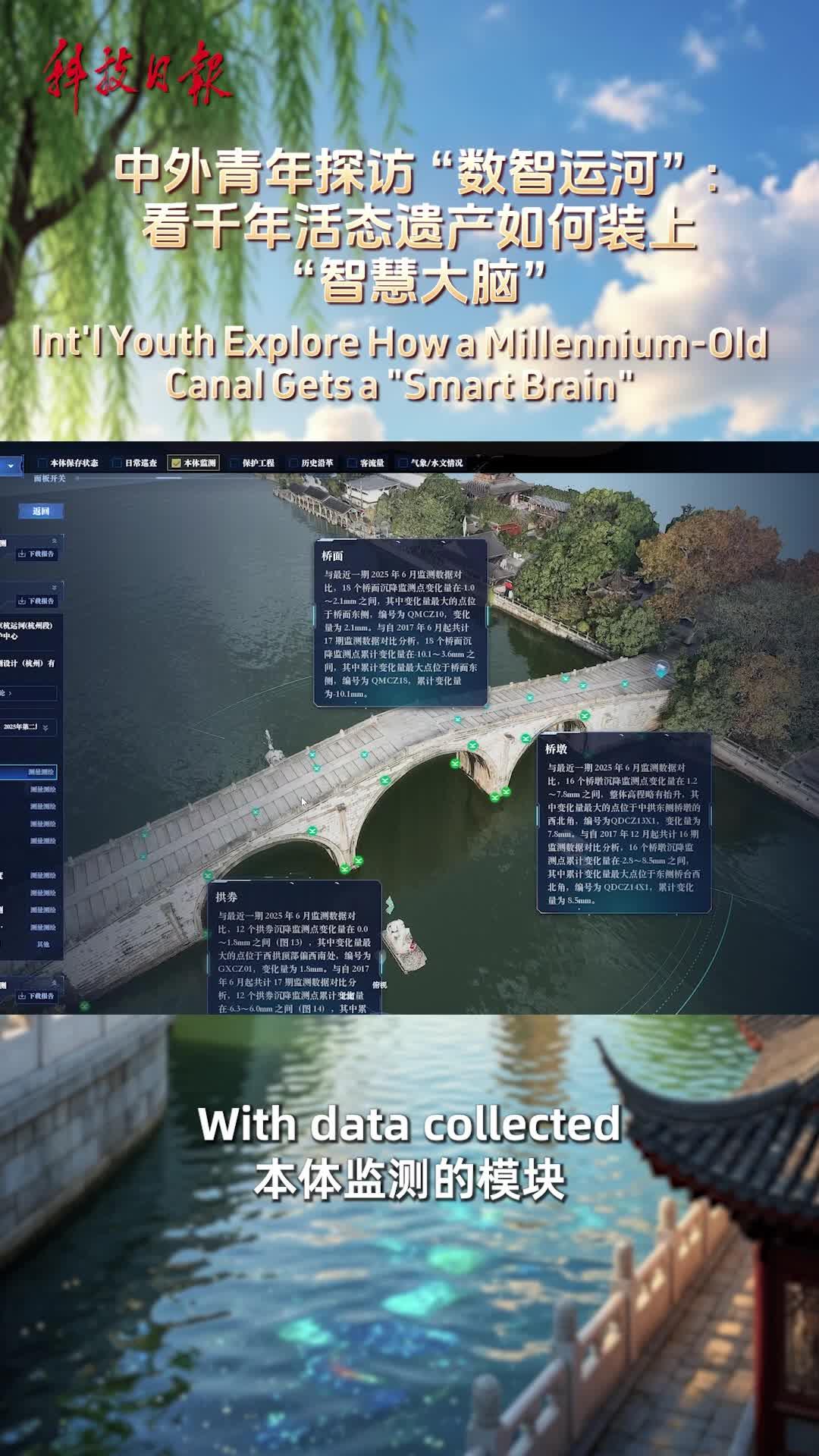
A Chinese and a Sudanese young ambassador recently visited the Hangzhou Comprehensive Protection Center for the Beijing-Hangzhou Grand Canal (Hangzhou Section), to witness firsthand how a millennium‑old living waterway is being safeguarded with the "Smart Canal" system.

The idea of drones delivering goods that could be delivered by truck and using auto hybrid power technology to do it, sounds a bit crazy, right? However, this is exactly what a young team from the China Academy of Aerospace Aerodynamics(CAAA) has developed.
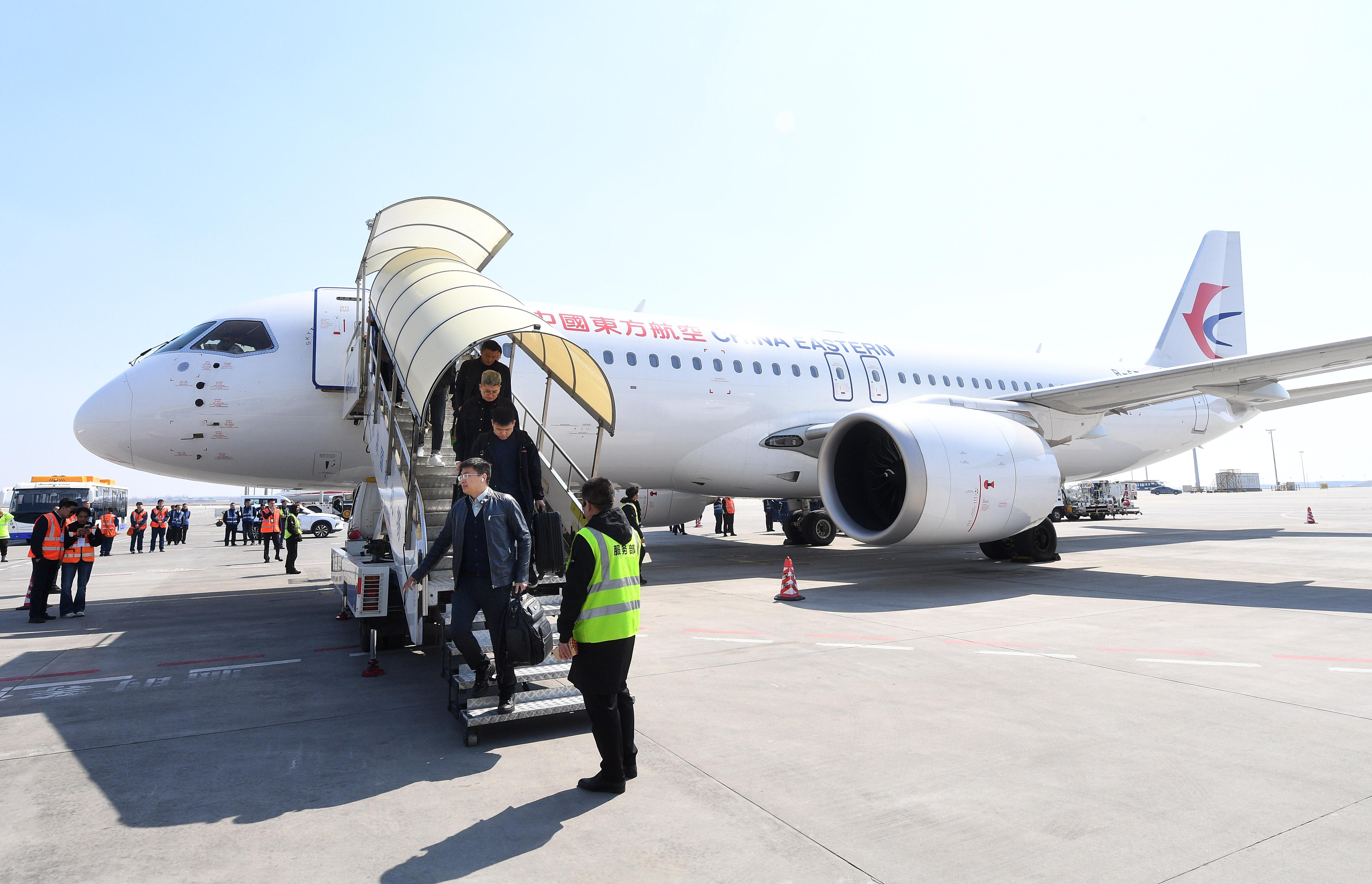
During the 14th Five-Year Plan period (2021-2025), China's capacity for scientific and technological innovation significantly improved, with breakthroughs in core technologies in key fields accelerated, according to an official report released by the National Bureau of Statistics on June 2.

China has become the first country to grant frequency usage permits for sixth-generation (6G) technology trials. This key regulatory step, made possible after the 6GHz band was approved by the Ministry of Industry and Information Technology (MIIT), will shift 6G research from laboratory simulations to scenario validation, significantly accelerating its commercialization.
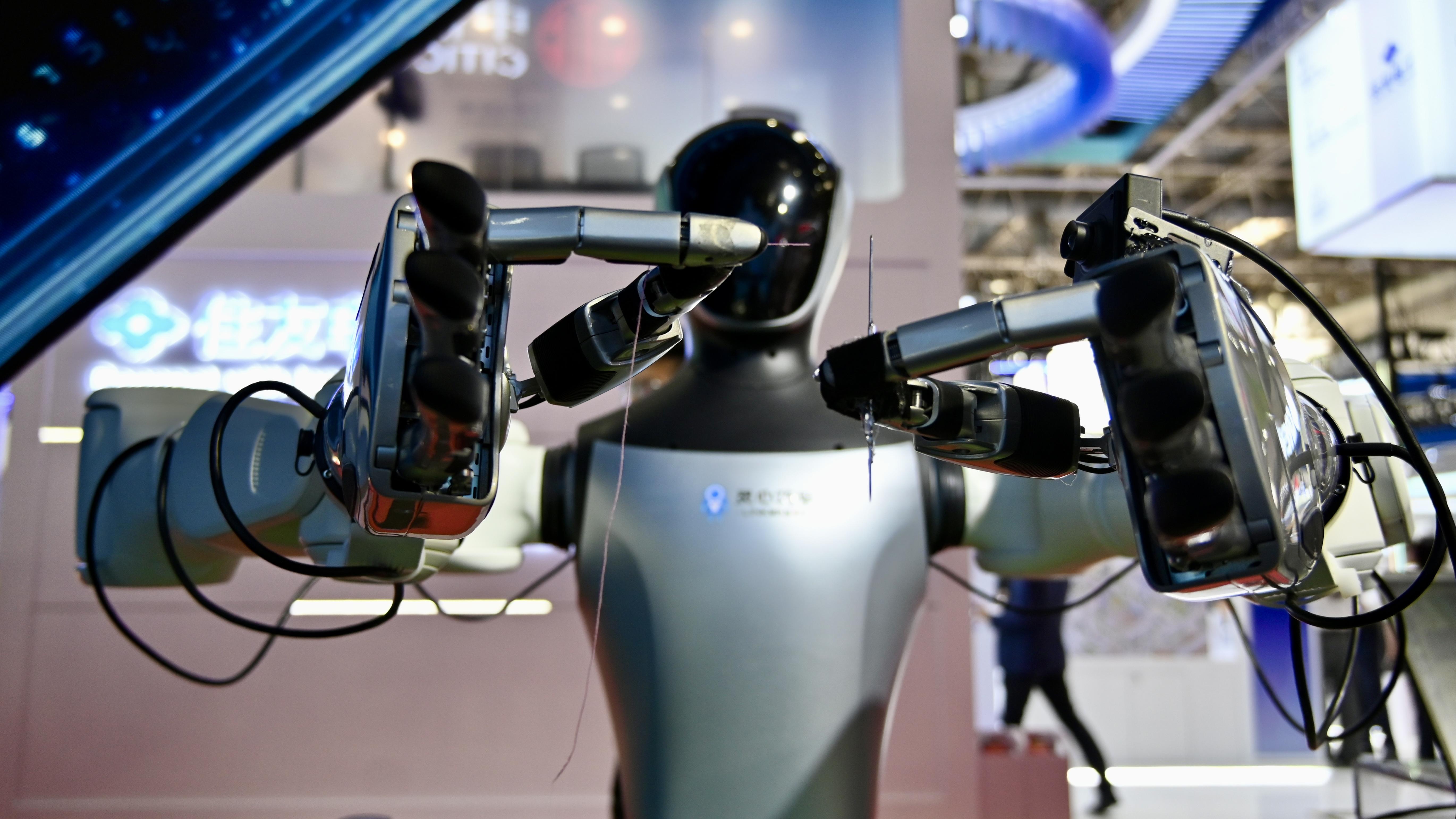
During the recently concluded World Intelligence Expo 2026 in Tianjin, China, over 150 types of embodied robots showcased their astonishing skills, making the Embodied Intelligence Pavilion the focus of the entire event. This technological feast benefited from systematic breakthroughs in fundamental technologies such as computing power, chips and operating systems (OSs).
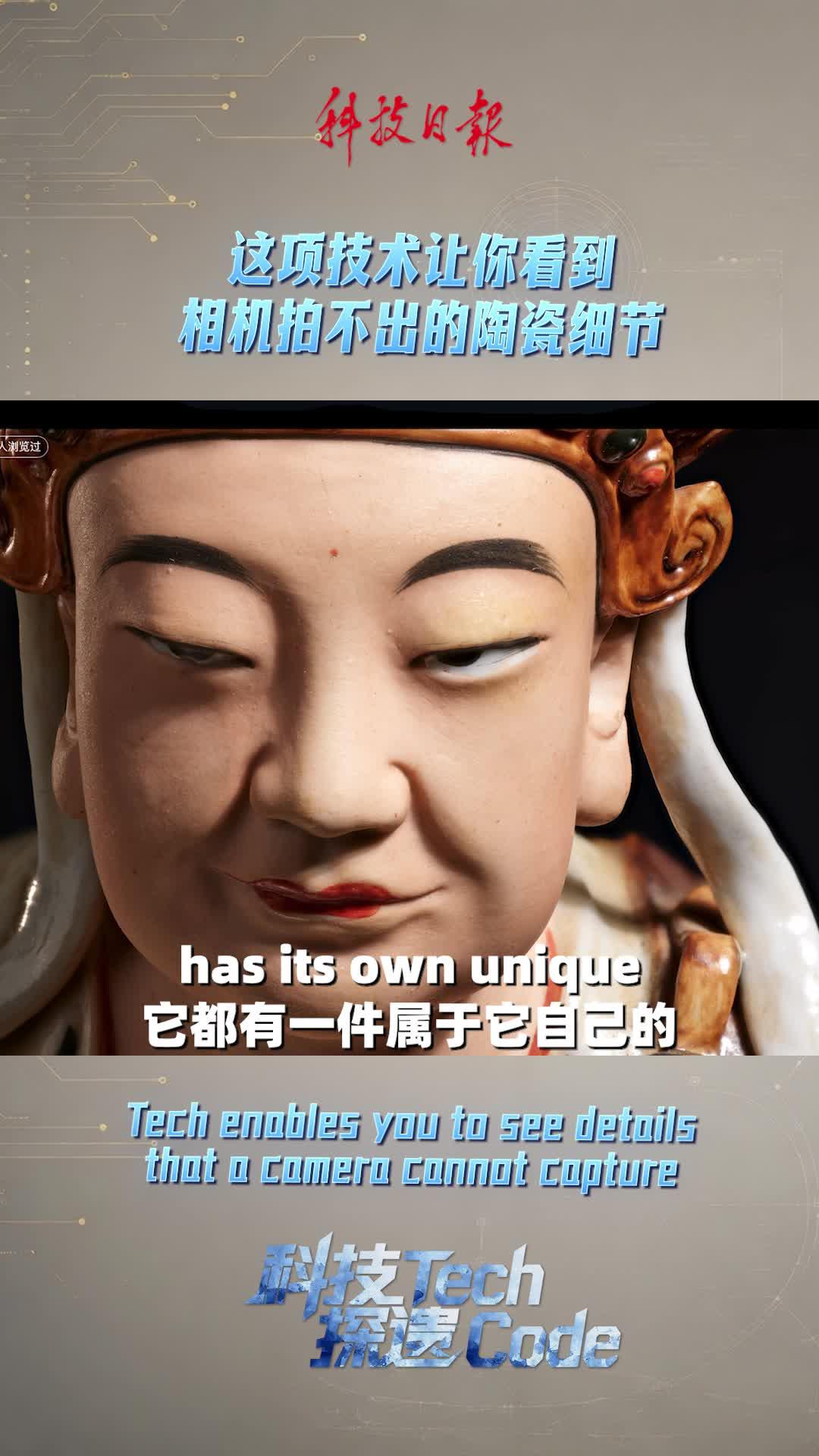
Have you ever encountered such kind of technology which can enable you to see porcelain details that a camera cannot capture? Here in Jingdezhen, east China, when a porcelain piece is scanned into a computer, even the bubbles beneath the glaze are perfectly visible. Check it out!

Chinese President Xi Jinping has sent a congratulatory letter to the Science and Technology Daily on the occasion of the 40th anniversary of its founding.
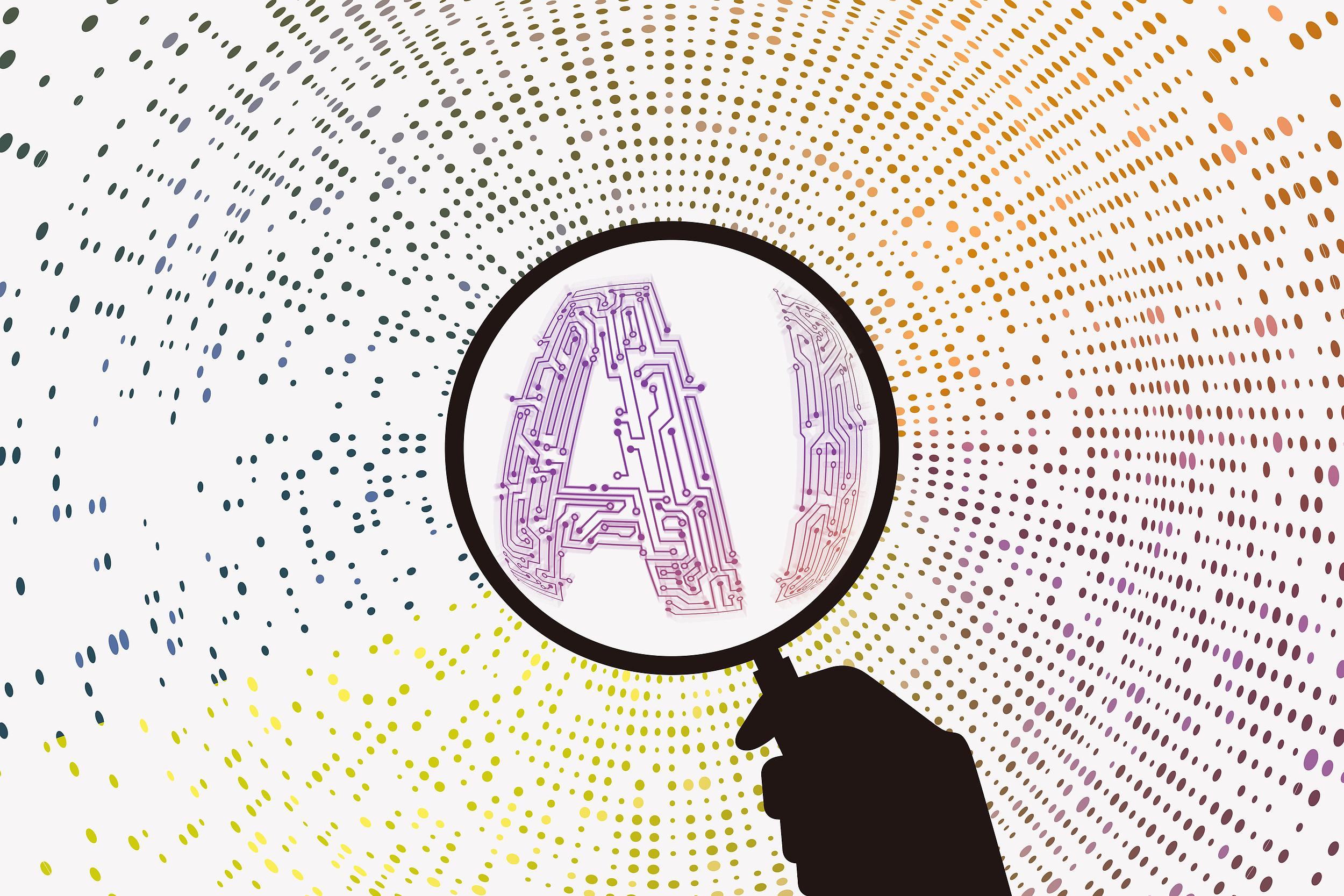
With the rapid advancement of AI, AI deepfakes, synthesis, and other forgery technologies have triggered new security issues, posing severe challenges to digital identity security.